Skip to product information
1 of 3

Hobbs Horticulture

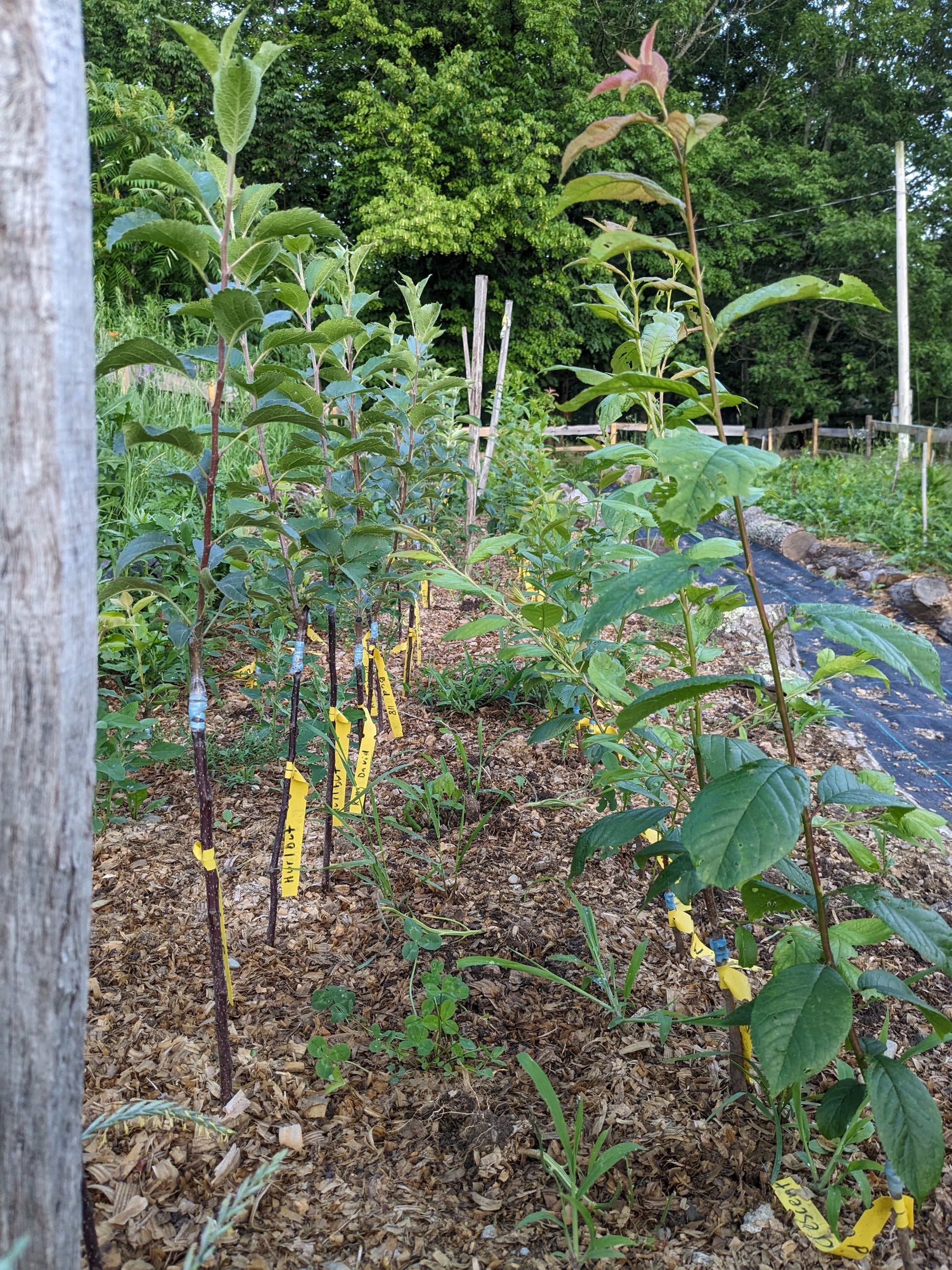
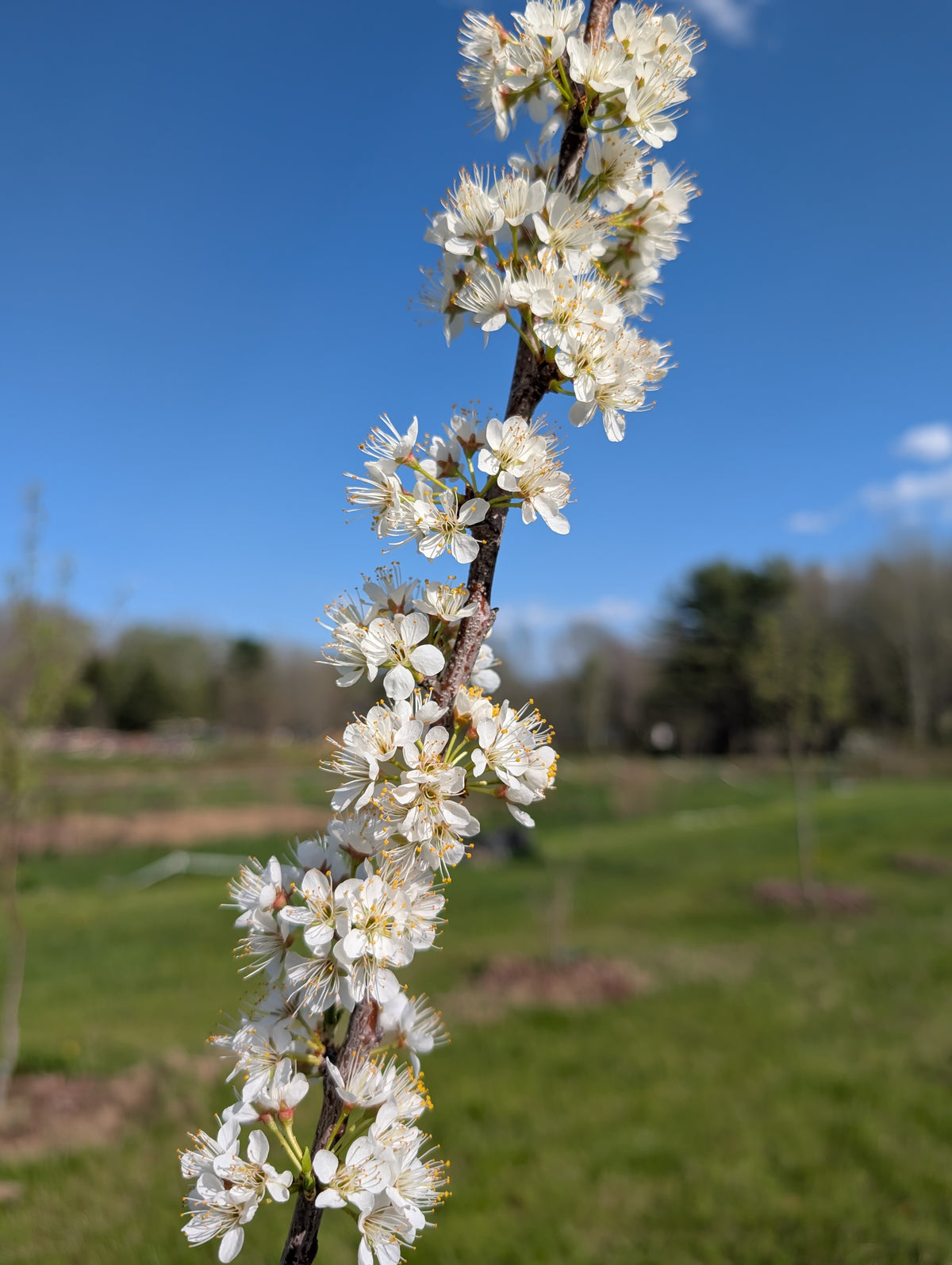
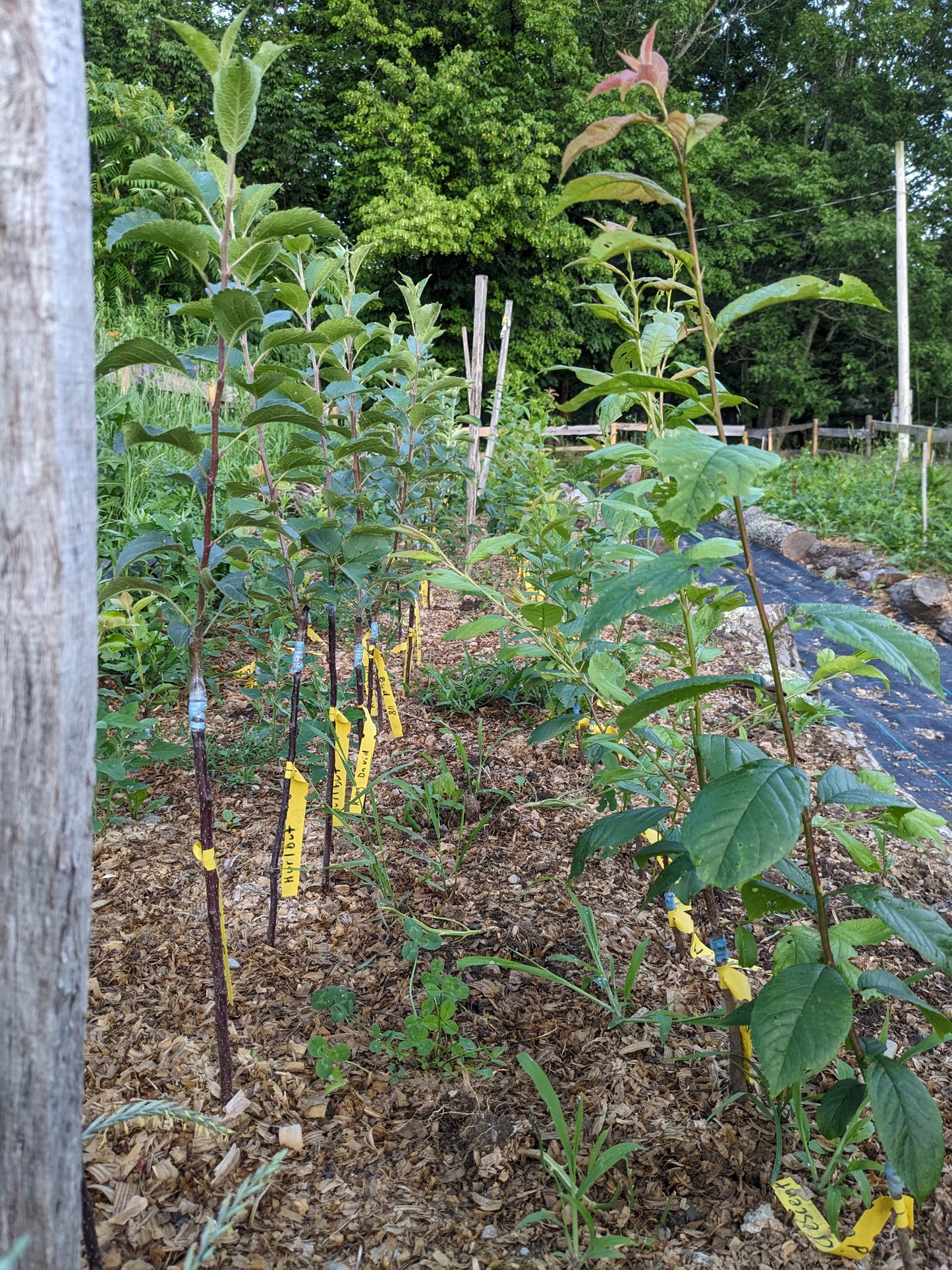
Grafted plum tree - 1st year whips

Grafted plum tree - 1st year whips

Regular price $25.00 USD
Regular price Sale price $25.00 USD
Sale Sold out
Cultivar
Size
Quantity

All cultivars grafted to Prunus americana rootstock.

Plums require a pollinator. Plant several varieties in close proximity to ensure good fruit set. Please refer to our bloom chart below.

Can not ship to Colorado

**Special Note: We only offer small first year grafted trees (known as whips) through our mail order business (larger trees available locally). To protect the young graft and avoid costly shipping surcharges we often have to head back our taller grafted trees before shipping.


Plum Bloom Times:


Variety

Early Spring

Mid Spring

Late Spring

Bloom Duration

Cold Hardiness Zone

Superior


7-10 days

Zones 4-8

Toka


7-10 days

Zones 3-8

Pamela


7-10 days

Zones 3-8

Dalton's American


7-10 days

Zones 3-6

Canada Plum


7-10 days

Zones 2-4

Alderman


10-14 days

Zones 3-8

Black Ice


7-10 days

Zones 3-8

Pipestone


10-14 days

Zones 3-8

Vic Red


7-10 days

Zones 3-8

Tecumseh


7-10 days

Zones 4-8

Ember


7-10 days

Zones 3-8

South Dakota


7-10 days

Zones 3-8

Underwood


7-10 days

Zones 3-8

Gracious


10-14 days

Zones 3-7

Waneta


7-10 days

Zones 3-8

LaCrescent


7-10 days

Zones 3-8

Pembina


10-14 days

Zones 3-8

Grenville


10-14 days

Zones 3-8

Hanska


7-10 days

Zones 4-8

Kahinta


7-10 days

Zones 4-8

Beach Plum (Prunus maritima)

CF134 (beach plum)


7-10 days

Zones 4-7

Hancock (beach plum)


7-10 days

Zones 4-7

Cf5 (beach plum)


7-10 days

Zones 4-7

Rutgers 1-1 (beach plum)


7-10 days

Zones 4-7

Premier (beach plum)


7-10 days

Zones 4-7


Cultivar descriptions:


Canada Plum (Prunus nigra)

This is the native plum species found in Maine. Ours have been grafted onto American plum rootstock with scion collected from local thickets. Sweet flesh, tart skin. Would be great in a jelly. The best smelling flowers we've come across, standing in a thicket in full bloom is absolute heaven. Great pollinator for other plums. Black knot resistant but susceptible to plum pocket and curculio.

Alderman

University of Minnesota release, 1987. Japanese x American hybrid. Large, round, deep red fruit with yellow flesh. Sweet, juicy, and richly flavored — one of the largest hybrid plums available. Good for fresh eating and preserves. Reliable producer. Blooms midseason. (Zone 3)

Black Ice

University of Minnesota release, 2008. Cross of Waneta and Lydecker. Medium to large dark purple-black fruit with yellow flesh. Sweet, firm, and juicy with excellent flavor. Freestone. Very cold hardy and disease resistant. Good fresh eating and preserves. Blooms midseason. (Zone 3)

Dalton's American

Rare American plum (Prunus americana) selection. Very precocious. Small to medium red fruit with yellow flesh. Tart skin, sweet flesh — excellent for jelly and preserves. Extremely cold hardy and adaptable. A valuable selection for northern growers seeking a true native-type plum. Blooms early spring. (Zone 3)

Ember

University of Minnesota release, 1936. Japanese x American hybrid developed by NE Hansen. Medium-sized orange-red fruit with yellow flesh. Sweet, juicy, and aromatic. Good for fresh eating and canning. Reliable producer, vigorous tree. Blooms midseason. (Zone 3)

Gracious

University of Minnesota release, 1978. Japanese x American hybrid. Medium to large yellow fruit with a red blush and yellow flesh. Mild, sweet flavor. Good for fresh eating and preserves. Late blooming, which helps it avoid late spring frosts. Productive and vigorous tree. (Zone 3)

Grenville

Japanese x American hybrid. Medium-sized red fruit with yellow flesh. Sweet and juicy with good flavor. Reliable producer in northern climates. Good for fresh eating and preserves. Long bloom period makes it a useful pollinator. Blooms midseason. (Zone 3)

Hanska

NE Hansen introduction. Japanese x American hybrid. Medium-sized dark red fruit with yellow flesh. Sweet and juicy with good flavor. Good for fresh eating and preserves. Vigorous, productive tree. Blooms midseason. (Zone 4)

Kahinta

University of Minnesota release, 1976. Japanese x American hybrid. Medium to large dark red fruit with yellow flesh. Sweet, firm, and juicy. Good for fresh eating and preserves. Productive and reliable in northern climates. Blooms midseason. (Zone 4)

La Crescent

Japanese x American hybrid plum introduced by the University of Minnesota in 1923. Fruit is round and sweet, flesh is golden in color. Skin yellow with some pink blush. Great fresh eating or preserves. (Zone 4)

Pamela

Japanese x American hybrid. Medium to large bright red fruit with yellow flesh. Sweet, juicy, and flavorful — excellent for fresh eating and preserves. Vigorous, productive tree. One of the better-flavored hybrid plums for northern growers. Blooms early spring. (Zone 3)

Pembina

NE Hansen introduction, 1923. Japanese x American hybrid. Large, round, dark red fruit with yellow flesh. Sweet, juicy, and richly flavored. One of the best-tasting hybrid plums. Good for fresh eating and preserves. Vigorous, productive tree. Blooms late spring. (Zone 3)

Pipestone

University of Minnesota release, 1942. Japanese x American hybrid. Very large red fruit — one of the biggest hybrid plums. Yellow flesh, sweet and juicy. Good for fresh eating, canning, and preserves. Vigorous, productive tree. Blooms midseason. (Zone 3)

South Dakota

Japanese x American Hybrid. Small/medium fruit, yellow skin with bright red blush. Juicy, sweet, great for fresh eating. Fully freestone. Long bloom period makes it a great pollinator for all hybrid plums. Ripens later than other hybrid types extending the harvest season. Developed by NE Hansen before 1907 and introduced by the University of Minnesota. Vigorous grower. (Zone 3)

Tecumseh

Japanese x American hybrid. Medium-sized red fruit with yellow flesh. Sweet, juicy, and well-flavored. Good for fresh eating and preserves. Hardy, productive tree well-suited to northern climates. Blooms midseason. (Zone 4)

Underwood

University of Minnesota release, 1920. One of the earliest ripening hybrid plums. Medium to large red fruit with yellow flesh. Sweet, juicy, and aromatic. Good for fresh eating and preserves. Vigorous, productive tree. An early-season variety that extends the harvest window. Blooms midseason. (Zone 3)

Vic Red

Japanese x American hybrid. Medium to large bright red fruit with yellow flesh. Sweet, firm, and juicy with good flavor. Reliable producer in northern climates. Good for fresh eating and preserves. Vigorous tree. Blooms midseason. (Zone 3)

Waneta

NE Hansen intro from 1913. Japanese x American Hybrid. Large red clingstone fruit. Sweet, tender, juicy orange flesh. Skin tart and easy to peel, great for fresh eating. (Zone 3)


Beach Plum Cultivar Descriptions (Prunus maritima)

C.F. #134

Cornell University / Dr. Richard Uva selection (Prunus maritima). Medium-sized dark purple fruit. Sweet-tart flavor, excellent for jelly, jam, and preserves. Selected for superior fruit size and productivity compared to wild types. Blooms late spring. Cross-pollination with other beach plum cultivars recommended. (Zone 3)

C.F. #5

Cornell University / Dr. Richard Uva selection (Prunus maritima). Medium-sized dark purple fruit with sweet-tart flavor. Selected for consistent productivity and good fruit quality. Excellent for jelly and preserves. Blooms late spring. Cross-pollination with other beach plum cultivars recommended. (Zone 3)

Hancock

Named beach plum selection (Prunus maritima). Medium-sized dark purple fruit. Rich, sweet-tart flavor — excellent for jelly, jam, and preserves. Productive and reliable. Blooms late spring. Cross-pollination with other beach plum cultivars recommended. (Zone 3)

Premier

Named beach plum selection (Prunus maritima). Medium to large dark purple fruit — among the larger-fruited beach plum selections available. Sweet-tart flavor, excellent for jelly and preserves. Productive and vigorous shrub. Blooms late spring. Cross-pollination with other beach plum cultivars recommended. (Zone 3)

Rutgers 1-1 (aka Jersey gem)

Rutgers University selection of beach plum (Prunus maritima). Medium-sized dark purple fruit with rich, sweet-tart flavor. Selected for superior productivity and fruit quality over wild types. Excellent for jelly, jam, and preserves. Blooms late spring. Cross-pollination with other beach plum cultivars recommended. (Zone 3)

View full details